Introduction to Augmented Reality in Branding
In the fast-evolving world of digital marketing, the competition for consumer attention is fierce. Brands are increasingly looking for immersive and interactive ways to connect with their audiences. One of the most transformative innovations in this space is augmented reality (AR). As businesses increasingly shift towards offering their digital marketing courses online, AR presents an opportunity to connect with consumers on a deeper emotional level.
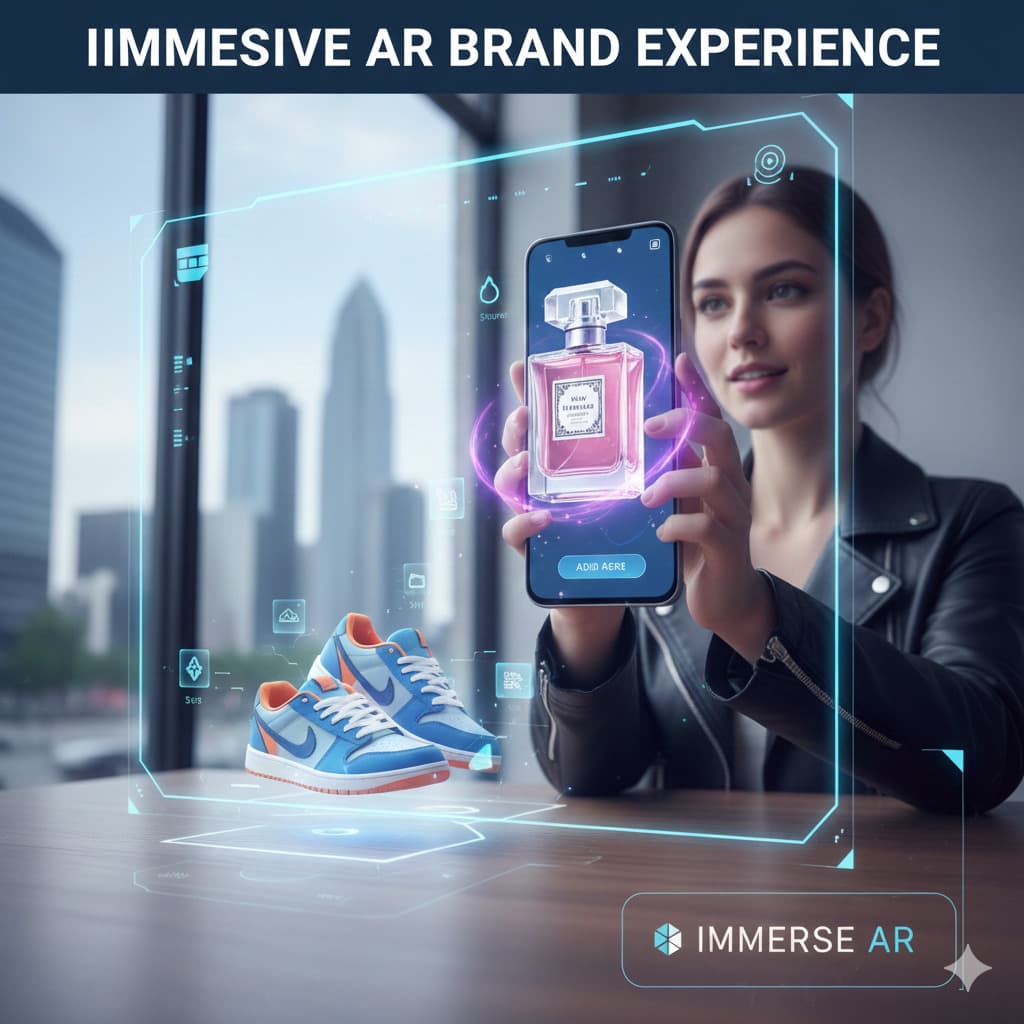
Augmented Reality (AR) enhances the real world by overlaying digital content, allowing users to interact with their surroundings in new and engaging ways. Unlike virtual reality (VR), which fully immerses users in a digital environment, AR overlays virtual elements onto the real world without replacing it. This technology is now redefining brand storytelling, customer engagement, and the overall brand experience, where digital marketing trends are rapidly evolving.
Understanding Augmented Reality (AR)
Augmented reality is a technology that superimposes digital elements—such as images, videos, or 3D models—onto the real world through devices like smartphones, tablets, or AR glasses. It enhances real-world environments, allowing users to experience digital elements in their natural settings.
Key components of AR include
- •
Hardware: Smartphones, AR glasses, wearable devices
- •
Software: ARKit, ARCore, Unity
- •
Sensors & Cameras: Gather data about the user’s environment
- •
Processors: Analyze input and render digital content in real time
AR differs from VR primarily in its function. While VR immerses users in a completely virtual environment, AR keeps them grounded in the real world, adding digital enhancements to what they see and interact with. This difference makes AR easier to access and more useful for branding and marketing strategies.
The Role of AR in Enhancing Brand Engagement
Creating an emotional and sensory-rich connection between a brand and its audience is the holy grail of modern marketing. AR offers this by transforming traditional marketing materials into interactive experiences. Here’s how:
- •
Interactivity: AR enables consumers to interact with a brand in real-time. For example, pointing a phone at a product box could trigger a video demo.
- •
Personalization: AR can tailor experiences based on user preferences or behaviors, increasing relevance and engagement.
- •
Storytelling: Brands can craft immersive stories, guiding users through a narrative that increases emotional investment.
- •
Convenience: AR simplifies the decision-making process by offering virtual previews and real-time information.
These benefits significantly boost customer engagement, brand recall, and ultimately, sales conversions, making AR a powerful tool in any brand’s digital arsenal.
Key Applications of AR in Brand Experiences
Virtual Try-Ons and Product Visualization
One of the most common uses of AR in branding is virtual try-ons. This allows customers to visualize how a product looks or fits without physically interacting with it. Fashion brands, eyewear companies, and even furniture retailers are using AR to:
- •
Let customers try on clothes, accessories, or makeup.
- •
Visualize furniture in their homes.
- •
Examine products from every angle.
This feature helps lower return rates and boosts customer confidence in purchases.
Interactive Packaging and Gamification
AR-enhanced packaging transforms a standard product box into an interactive experience. For example:
- •
Scanning a soda can reveals a 3D animation.
- •
A cereal box launches a mini-game for kids.
These interactions not only increase product appeal but also boost brand loyalty and repeat engagement.
AR in Retail and In-Store Navigation
In physical retail environments, AR can enhance the shopping experience by
- •
Providing guided in-store navigation.
- •
Highlighting promotions or product details.
- •
Offering virtual assistants or fitting rooms.
Retailers like IKEA and Lowe’s have implemented AR apps that allow shoppers to visualize products in their homes, helping them make more informed choices.
AR in Advertising and Campaigns
AR ads are far more engaging than traditional formats. By encouraging interaction, they:
- •
Drive higher click-through and conversion rates.
- •
Increase brand recall.
- •
Enable rich storytelling.
An AR ad campaign can turn a static poster into an immersive video or create a 3D product experience triggered by a magazine page.
Case Studies of Successful AR Brand Campaigns
Coca-Cola's #TakeATasteNow Campaign
Coca-Cola launched an AR campaign where scanning a can with a mobile app triggered a unique animation telling the story behind each flavor. The result:
- •
Increased consumer interaction.
- •
Higher engagement on social platforms.
- •
Strengthened emotional connection to the brand.
BMW's i Visualizer App
BMW's app allows customers to view and customize their cars in augmented reality. Users can:
- •
Change colors and features in real time. by
- •
View the car in their driveway.
- •
Experience a life-sized version using their phone.
This provided a rich, immersive buying experience without visiting a showroom.
Sephora's Virtual Artist
Sephora’s AR-enabled app lets users virtually test makeup products on themselves. Users simply upload a photo or use live camera mode to see how various products look on them. Benefits included:
- •
Increased online sales.
- •
Reduced product returns.
- •
Enhanced user satisfaction and trust.
Benefits of Integrating AR into Brand Strategies
The adoption of AR in branding brings several key benefits:
- •
Enhanced Customer Experience: Immersive and interactive content captures attention more effectively.
- •
Longer Engagement: Users interact with AR content for more time compared to traditional media.
- •
Boosted Conversion Rates: By enabling virtual product trials, customers are more confident in their purchases.
- •
Viral Potential: Distinctive AR experiences are frequently shared, boosting brand exposure.
- •
Analytics & Insights: AR platforms offer data on user behavior, helping brands optimize campaigns.
Challenges and Considerations in AR Implementation
While AR offers immense potential, there are challenges to consider:
- •
Technical Complexity: Requires expertise in AR development and platform integration.
- •
User Accessibility: Many consumers lack devices that fully support AR.
- •
Cost: High-quality AR experiences can be expensive to produce.
- •
Privacy Concerns: Collecting user data for personalization must comply with privacy laws.
Addressing these challenges through careful planning and testing is essential for successful AR campaigns.
Future Trends in AR for Branding
As AR technology advances, the future holds exciting possibilities:
- •
5G Integration: Faster speeds will enable more seamless AR experiences.
- •
WebAR: AR experiences accessible directly from web browsers without needing apps.
- •
AI + AR: Merging AI with AR to create smarter, personalized experiences.
- •
Wearables: AR glasses and contact lenses may soon replace smartphones for AR viewing.
Brands that embrace these trends will drive the future of immersive marketing.
Augmented reality is not just a trend—it’s a strategic tool that is reshaping how brands interact with consumers. From virtual try-ons to interactive ads, AR offers impactful experiences that traditional media can’t replicate. For businesses and marketers, especially those pursuing a digital marketing course online or engaging in digital marketing in Mohali or digital marketing in Chandigarh, understanding and embracing AR has the potential to boost engagement, loyalty, and revenue to new heights.
Frequently Asked Questions (FAQs)
Q1: What is augmented reality in branding? AR in branding refers to using technology to overlay digital content on the real world, enhancing customer interactions and brand storytelling.
Q2: How can AR benefit my marketing campaign? It increases engagement, improves conversion rates, and provides personalized experiences that resonate with users.
Q3: Is AR expensive to implement? Costs vary depending on the complexity, but ROI is often high due to increased engagement and sales.
Q4: Which industries benefit most from AR? Retail, fashion, automotive, beauty, and real estate industries are seeing great success with AR marketing.
Q5: How do I get started with AR marketing? Start by identifying a use case, consulting with an AR development agency, and ensuring alignment with your overall digital strategy.
If you’re serious about staying competitive in the digital era, whether you’re pursuing a digital marketing course online or offering services in digital marketing in Chandigarh or Mohali, incorporating AR into your brand strategy is not just optional—it’s essential.