
In today’s digital era, the way we learn has evolved far beyond chalkboards and traditional lectures. Placing students at the center of the learning process, the flipped classroom model is one of the most innovative approaches transforming education. Students are given the opportunity to learn course material outside of the classroom rather than merely through lectures, which frees up important class time for in-depth discussions, problem-solving, and practical projects.This blog explores how flipped classrooms are redefining the traditional learning model, especially in the digital landscape. It also highlights how platforms like Digital Study School are embracing this transformation to provide flexible, engaging, and impactful learning experiences across disciplines, especially in fields like digital marketing.
What Is a Flipped Classroom?
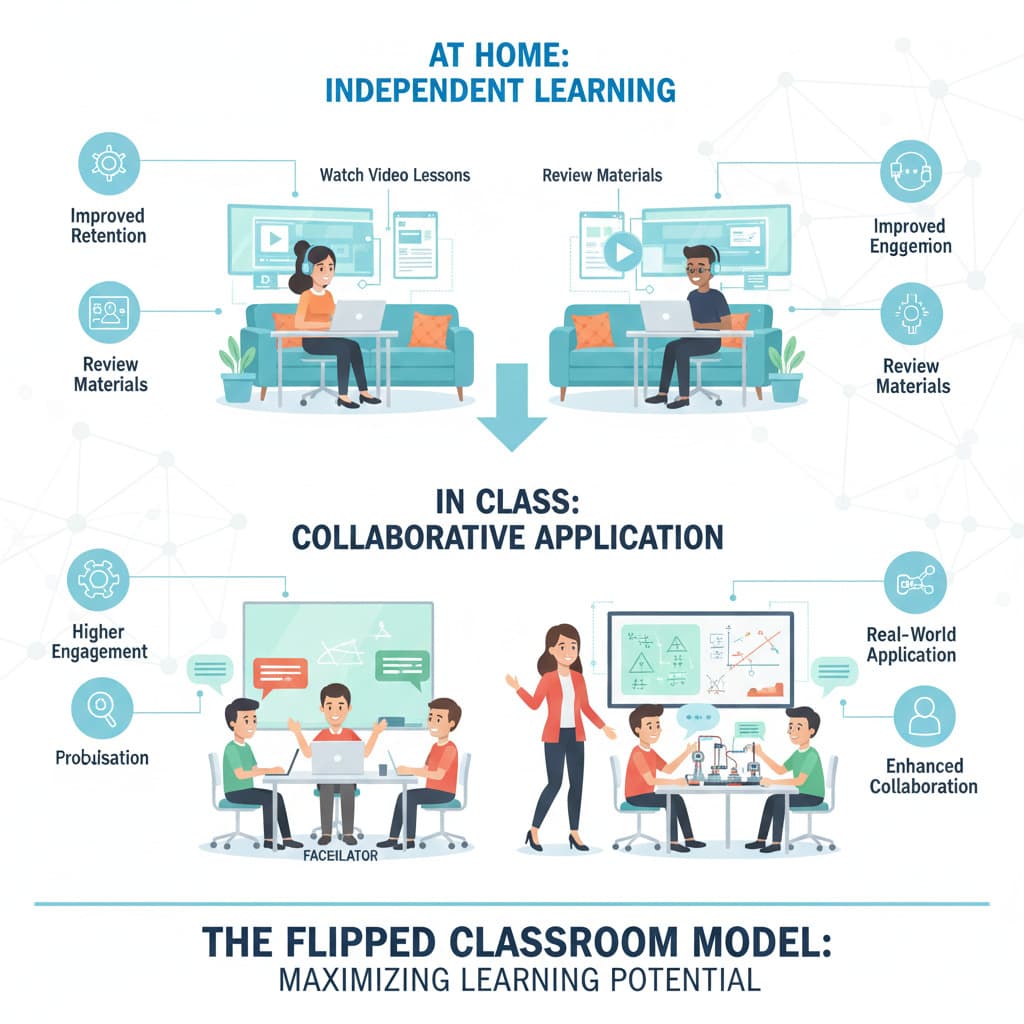
Flipped classrooms pose a challenge to the traditional teaching model. Instead of attending class to hear a lecture and then doing homework after, students first engage with instructional content, typically videos, readings, or interactive modules, on their own time. The classroom becomes a space for collaboration, application, and mastery of concepts with the guidance of an instructor.
This model empowers learners to control the pace of their initial learning and makes in-person or live class sessions more interactive and personalized.
Why the Traditional Learning Model Is No Longer Enough
The conventional lecture-based model has long dominated education. But as the pace of technology accelerates and information becomes more accessible, passive learning environments are no longer the most effective. Today’s students especially digital natives demand more:
- •
Engagement: Listening to a lecture for hours doesn’t always capture attention.
- •
Flexibility: Learners want to study when and where it’s convenient.
- •
Relevance: Real-world application and skills are more important than memorizing facts.
The flipped classroom addresses these concerns by giving students ownership over their learning while using valuable classroom time for meaningful interaction.
How Flipped Learning Benefits Students?
1. Independent Study
Students are able to learn at their own pace under the flipped classroom model. They can pause, rewind, and rewatch videos or revisit materials until they grasp key concepts, something not possible in a live lecture setting.
At Digital Study School, learners enrolled in the Online Digital Marketing Course enjoy this exact benefit. Each module is designed for flexible consumption, allowing students to learn when it's convenient and review as needed.
2. Increased Classroom Interaction
When learners show up to a flipped classroom, they’re already familiar with the basics. That allows more time for in-depth discussions, peer collaboration, and practical exercises. It transforms the role of the teacher from a lecturer to a facilitator or coach.
This approach is applied even in Digital Study School’s Chandigarh campus, where instructors guide students through case studies, campaigns, and strategy discussions rather than just theoretical content.
3. Improved Application and Retention
Active participation enhances memory and comprehension, according to research. The flipped model enables students to apply concepts soon after learning them, which helps solidify knowledge.
For example, in Digital Study School’s digital marketing programs, students not only learn SEO, PPC, and social media theory through videos but also implement them in real-life assignments and mock campaigns.
4. Encourages Responsibility
Since students are in charge of preparing before class, the flipped model nurtures discipline, time management, and self-reliance skills that are essential in any career path.
The Role of Technology in Enabling Flipped Classrooms
Without technology, the flipped model wouldn’t be possible. High-speed internet, smartphones, and learning platforms have turned any space into a potential classroom.
Digital Study School has embraced this by providing a streamlined online learning environment. Through its blog, video modules, assessments, and live mentorship, learners gain both flexibility and structure.
Some key tools that support flipped classrooms include
- •
Learning Management Systems (LMS): Platforms that organize and deliver content, track progress, and facilitate discussions.
- •
Video Lectures: Bite-sized, engaging content that allows anytime learning.
- •
Collaborative Tools: Chat forums, shared docs, and virtual whiteboards encourage peer-to-peer interaction.
- •
Gamified Quizzes and Feedback: Instant feedback keeps students motivated and informed.
Digital Study School combines all these into its online ecosystem, making it easier for learners to stay on track and engaged.Technology plays a vital role in modern education by enabling flexible, student-centered learning. It empowers flipped classrooms through video lectures, interactive tools, and real-time collaboration. With the right digital platforms, students learn at their own pace and engage more deeply in class.
Flipped Classrooms and Online Learning: A Perfect Match
The flipped classroom model is not limited to traditional schools. In online and hybrid learning environments, it is growing in popularity.
Digital Study School: A Flipped Model in Action
At Digital Study School, the philosophy of flipped learning is at the core of every course. In the Online Digital Marketing Course, for instance:
- •
Students first engage with recorded lessons and reading materials.
- •
They are then encouraged to apply their knowledge through interactive quizzes, hands-on assignments, and community discussions.
- •
Weekly mentorship sessions allow for feedback, brainstorming, and live Q&A, replacing the traditional lecture format with dialogue and deeper understanding.
This structure mirrors the flipped model by leveraging digital tools to promote independent learning followed by collaborative refinement.
How Flipped Classrooms Align With STEM Education
Science, Technology, Engineering, and Mathematics (STEM) require more than memorization—they demand application and experimentation. That’s why the flipped model is especially effective in these fields.
Here’s how flipping the classroom benefits STEM learners:
- •
Increased Problem-Solving: Instead of listening to long explanations, students can use classroom time to solve equations, code, or conduct experiments.
- •
Collaborative Projects: Real-world STEM tasks are often team-based. Flipped learning promotes this by enabling group work during class sessions.
- •
Immediate Feedback: Teachers have more time to address misconceptions as they arise.
Digital Study School’s approach to technical topics like digital marketing analytics, automation, and strategy mirrors this STEM mindset. Students consume content independently and then analyze real-world cases in guided sessions.
Challenges of the Flipped Classroom (and How to Overcome Them)
Like any educational model, the flipped classroom comes with challenges. However, with the correct resources and attitude, these can be controlled.
1. Student Readiness
Some students might not be used to taking charge of their learning. That’s why platforms like Digital Study School include beginner-friendly navigation, learning support, and structured weekly goals.
2. Availability of Technology
Every student does not have equal access to devices or the internet. Digital Study School counters this by optimizing content for mobile and ensuring lessons are downloadable, making learning possible even with limited bandwidth.
3. Time Management
Flipped classrooms require commitment. But Digital Study School provides schedules, reminders, and progress tracking to keep learners focused and motivated.
Why Flipped Learning Is the Future of Education?
As industries evolve, so must education. Flipped classrooms foster the skills needed in the 21st-century workforce:
- •
Critical Thinking: Analyzing information and drawing conclusions.
- •
Collaboration: Working with others to solve problems.
- •
Adaptability: Adjusting to new challenges and technologies.
- •
Lifelong Learning: Continuously improving and updating knowledge.
Whether it's mastering Google Ads in Digital Study School's digital marketing program or brainstorming content strategies with peers, the flipped model ensures that learning is active and relevant.
Success Stories from Digital Study School
Digital Study School has empowered thousands of learners to take control of their education. Whether you're an aspiring marketer or a career switcher, the flipped classroom model helps you go from theory to practice efficiently.
Students in Chandigarh and across the globe have benefited from its modern approach.
- •
Ritika S., a college student, transformed her career by building a personal brand on Instagram using strategies from the flipped program.
- •
Raj P., a working professional, upskilled with SEO and PPC skills, eventually landing a freelancing gig with an international client.
These are not just stories; they’re proof that flipped classrooms can empower anyone to learn, grow, and succeed.
Final Thoughts
The flipped classroom approach is a revolution rather than just a fad. Students can ask better questions, gain deeper skills, and learn at their own pace thanks to it. Students all over the world can use this cutting-edge method thanks to websites like Digital Study School.
The online and Chandigarh-based courses offered by Digital Study School provide a flipped, flexible, and future-ready education, whether you're looking to upgrade your skills, explore a new career, or get ready for the digital future.